Choose Boston walking days by neighborhood
| Decision | How to plan it |
|---|---|
| History day | Choose a Freedom Trail segment and identify any sites you want to enter. Decide where the group will finish before starting. |
| Harbor or museum day | Give one attraction the main time block. Add a short walk in the same area if the weather and energy allow. |
| Departure morning | Choose a nearby breakfast or short walk and map the journey to the station or airport separately. |
Freedom Trail visitor information
Boston rewards a visit organized around neighborhoods rather than a race between famous buildings. Three days gives you room for Revolutionary history, a harbor walk and time across the Charles River without renting a car. This Boston itinerary starts with the historic center, saves a separate day for Cambridge, and leaves a flexible final afternoon. It suits first-time visitors who enjoy walking, museums and stopping for food along the way.
Before you book: choose your base
For a short stay, compare hotels around Back Bay, downtown and the edges of Boston Common. Choose a location close to the transit line you will actually use, rather than judging distance from a map alone. A cheaper hotel far outside the center can add multiple transfers to every day.
Check the MBTA trip planner for your arrival and departure. Airport connections and weekend service can change, so save the route before leaving home. If you arrive with a car, compare overnight parking with the cost of returning the rental early. Central Boston is a place where paying for a parked car can buy you very little.
Day 1: walk the historic center in manageable sections
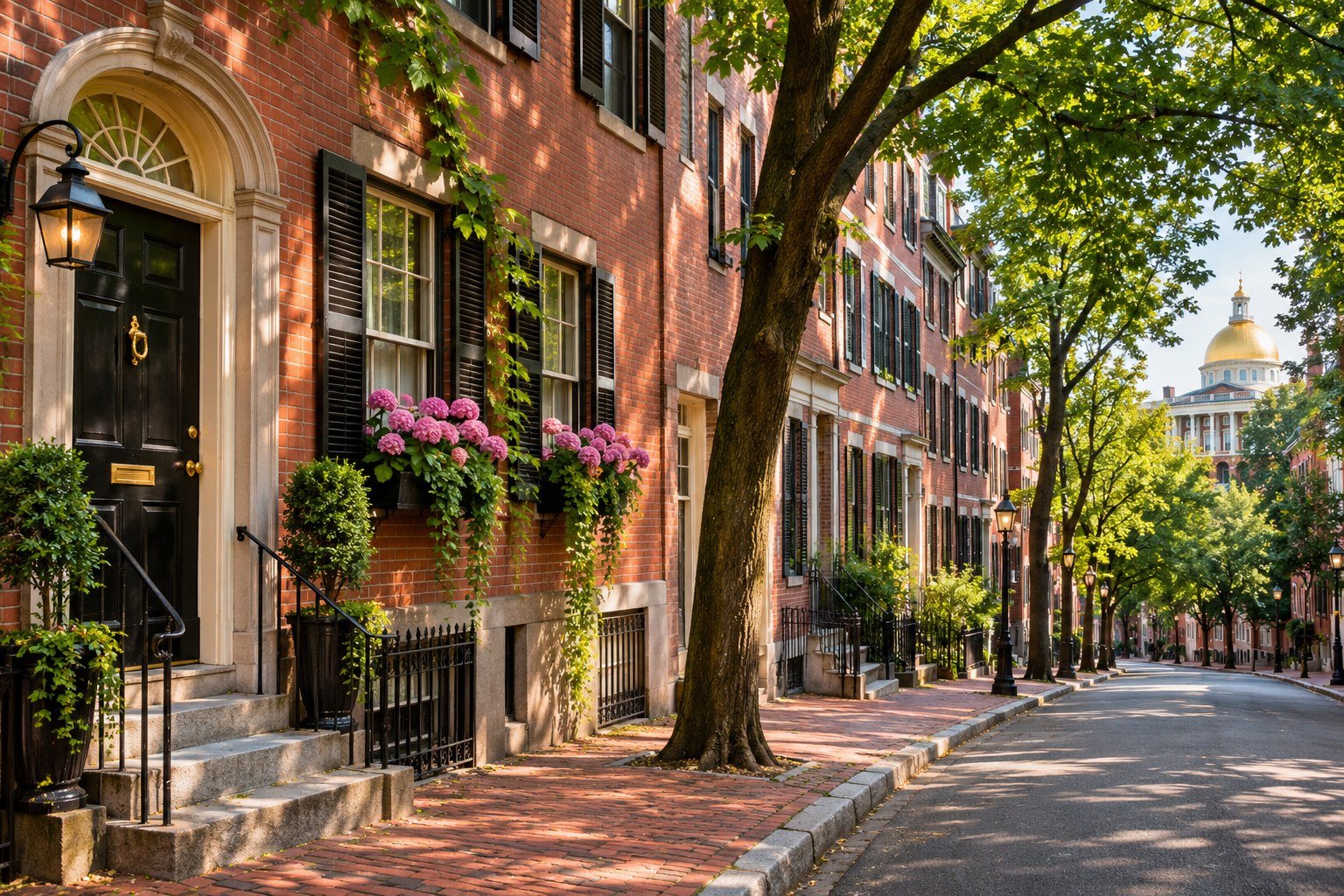
Begin at Boston Common, then follow the Freedom Trail toward the downtown historic sites. The official trail covers 2.5 miles and links 16 sites, but that distance does not include museum interiors, meals or the walk back to your hotel. Treat it as a framework for the day, not a two-hour checklist.
Choose two paid interiors that interest you and leave the rest as outdoor stops. Around Faneuil Hall, pause for orientation before continuing toward the North End. The National Park Service provides maps and information at its visitor centers; its free app can add context without requiring a guided group.
Have a late lunch in the North End, then decide whether you have the energy to continue to Charlestown. If not, save it for day three. A slower finish beside the harbor is more enjoyable than squeezing in another admission just before closing.
Day 2: Cambridge and the Charles River
Use public transportation to reach Harvard Square and explore the surrounding streets. This is a good day for a museum, a bookstore and a long lunch rather than another full historic walk. Check individual museum opening days before deciding which day of your trip belongs here.
Return toward the Charles River for a riverside walk if conditions are pleasant. Keep the return flexible: a cold wind or heavy rain can turn an attractive open-air route into an uncomfortable obligation. In poor weather, give the museum more time and head back by transit.
Day 3: Back Bay, gardens and your missing highlight
Spend the morning around the Public Garden and Back Bay, connecting architecture, cafés and shops at an easy pace. If you want a major art museum, reserve the afternoon for that single attraction. If day one ended before Charlestown, use this time for the Navy Yard instead.
For a departure day, keep your final stop close to your luggage and onward transportation. Avoid reserving an attraction across town immediately before an airport transfer. Boston looks compact, but the time needed to collect bags, change lines and reach a terminal still matters.
Budget, weather and common mistakes
Build your budget from accommodation, local transit, meals and the specific admissions you choose. An attraction pass only saves money if its included sights match your actual schedule. Compare the full individual-ticket total before buying one.
Pack comfortable shoes and a layer that blocks wind by the water. On a winter visit, shorten outdoor sections and alternate them with indoor stops. Spring and fall can be attractive for walking, but a popular event can affect hotel prices more than the season itself. The main mistake is scheduling all 16 Freedom Trail interiors, Cambridge and a museum in one day.
Frequently asked questions
Do I need a car in Boston?
For this central three-day itinerary, no. Walking and public transportation are the practical starting point; check current service and accessibility for your routes.
Can I walk the Freedom Trail independently?
Yes. The marked route can be explored independently, and the National Park Service offers free planning resources. Individual historic-site interiors may have separate hours and admission.
Is two days enough?
Two days works for the historic center and one additional neighborhood. With three days, you can add Cambridge or a substantial museum without rushing.
Keep planning your trip
Official planning resources
Planning information checked November 4, 2026. This is an independently planned itinerary; opening hours, access rules and availability can change. Check the linked official resources for your travel dates.