
DESTINATION GUIDE · CITY GUIDES
Chicago in Three Days: Architecture, Lakefront and Neighborhood Food
Travel in the USA Editorial · Reviewed November 3, 2026 · 1209 words
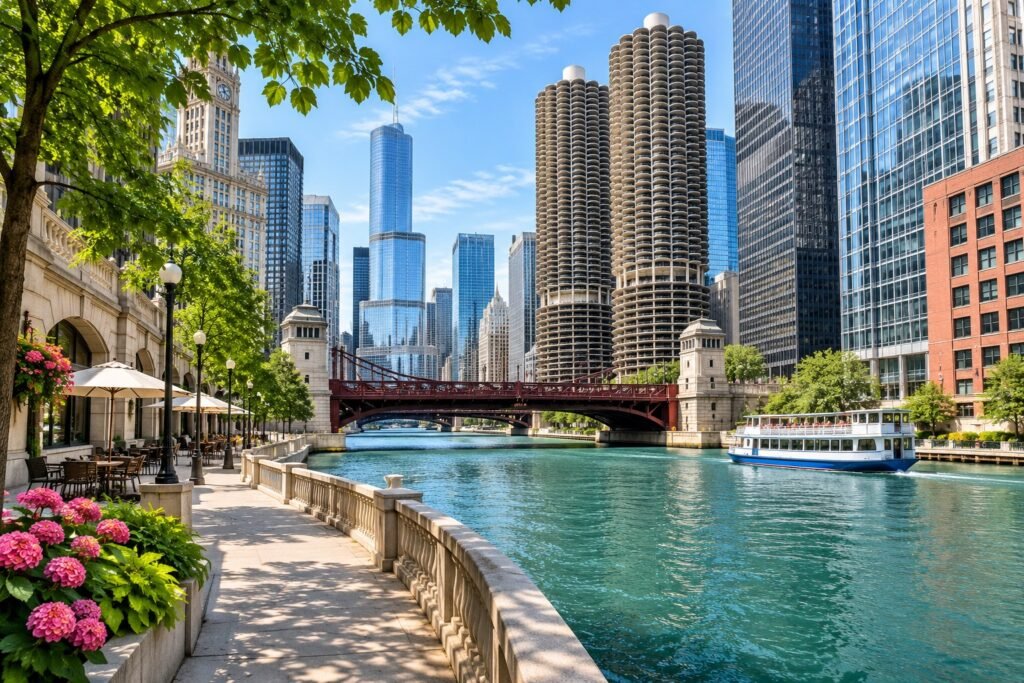
Chicago makes a strong three-day city break when you give architecture, the lakefront, and neighborhood life equal billing. A first visit does not need to revolve entirely around tall buildings or a list of famous dishes. The most enjoyable plan has one major experience each day, time to walk, and an evening that suits your interests. This itinerary is designed to be rearranged around weather and ticket availability, with enough flexibility to enjoy the city rather than simply move through it.
Decide what kind of Chicago trip you want
Start with your strongest interest. Architecture enthusiasts may want a river cruise and a longer guided walk. Museum-focused travelers might make one collection the centerpiece of the trip. Food and music lovers may prefer shorter daytime sightseeing with more energy reserved for evenings. Choose your anchors before buying an attraction pass; the right ticket is the one that supports your plan, not the one with the longest list of inclusions.
Choose Chicago’s official first-visit guide highlights a mix of major attractions, dining, and distinctive city experiences. [1] Use it as a menu of possibilities rather than a compulsory route. Three days is enough to get an engaging introduction, but it is not a reason to compress every landmark and neighborhood into a single stay. Leave yourself something to return for, and keep at least one afternoon free of a fixed admission time.
Day 1: the river and the architecture story
Begin around the river and central area, keeping the first walk manageable if you have just arrived. If an architecture cruise is a priority, choose a departure that gives you a comfortable margin after travel and check-in. Read the operator’s exact meeting point, boarding instructions, accessibility information, and weather policy before booking. A river view and a narrated architectural experience are related, but not every cruise offers the same focus.
The Chicago Architecture Center’s official FAQ describes its river cruise aboard First Lady as a 90-minute experience led by trained docents, with seasonal departures. [2] Check the live schedule for your date rather than assuming year-round availability. Afterward, leave time for a meal and a short riverside walk. You do not need to add an observation deck immediately; a pause helps the architecture and stories settle into a coherent impression of the city.
Day 2: Millennium Park and one cultural anchor
Give the morning to a park-and-downtown introduction, then choose one substantial indoor visit if that matches your interests. Review its admission information directly and allow enough time to enjoy more than the entrance hall. An art museum, a history-focused experience, or another major collection can each work, but they should be alternatives unless your group specifically wants a museum-intensive day.
Plan lunch between activities rather than treating it as a problem to solve when everyone is tired. Keep the later afternoon open for a short lakefront outing or a return to your hotel. If the weather is unsuitable, use an indoor backup selected in advance. A successful Chicago itinerary is not measured by whether every outdoor stop happens on its originally assigned day. Move the lakefront block when conditions make it more pleasant.
Day 3: choose a neighborhood and stay long enough
Spend your final day beyond the central sightseeing circuit. Pick a neighborhood based on food, shops, architecture, or an activity that interests you, and plan a sensible journey there. Avoid collecting several distant areas purely to say you visited them. A focused morning with breakfast, a walk, and a leisurely lunch can offer more understanding than repeated short arrivals and departures.
Keep the final afternoon close enough to your luggage and onward route to finish without rushing. If you have another night, this is a good place for a performance or music-focused evening after checking the venue’s actual program, age restrictions, and ticket conditions. If you leave that day, use the time for a favorite repeat stop instead. Returning somewhere you enjoyed is a valid travel choice, not wasted sightseeing time.
Where to stay: convenience depends on the plan
For a first visit, compare central accommodation with the actual attractions and transit routes you will use. A room near one famous landmark may still create awkward journeys to the rest of your itinerary. Check the final price, room configuration, noise considerations, and cancellation deadline. Families should confirm beds and occupancy explicitly. Travelers with accessibility requirements should ask about the whole route from street to room, not only whether an elevator exists.
If you are driving into Chicago, investigate hotel parking before booking. Compare the cost and convenience of leaving the car parked with moving it between attractions. For a city-focused stay, you may find that walking, transit, and occasional taxis are simpler. Use current official transport planning for your specific journeys and account for luggage and possible disruption. Do not judge an airport transfer only by distance on a map.
Make the food part enjoyable rather than competitive
Choose meals that fit the day’s geography and your group’s appetite. Famous local dishes can be part of the experience, but there is no need to eat every signature item or queue at every heavily promoted address. Reserve a restaurant when it is important to you, then leave other meals flexible. Check the menu and the total likely spend before treating a recommendation as a must-book.
Balance heavier meals with time to walk and a lighter alternative when needed. For mixed dietary needs, agree on the basics before leaving the hotel rather than searching while hungry in an unfamiliar area. A neighborhood lunch can be a main experience in its own right. If your evening includes a show, choose dinner nearby and leave a sensible margin for service, the journey to the venue, and entry procedures.
Pack and budget for the actual season
Check the forecast close to departure and pack for both the outdoor blocks and the evenings you have planned. A lakefront walk and a seated outdoor cruise can feel different from walking sheltered streets, so keep an appropriate layer available. Comfortable footwear matters more than carrying several outfit changes. If weather affects a paid activity, consult the operator’s stated policy rather than assuming it will be canceled or refunded.
Separate the budget into lodging, meals, local transport, and admissions. Spend deliberately on the experience that matters most, then use unstructured walking time to keep the rest of the trip balanced. Avoid adding a paid attraction merely to justify a pass already purchased. A simpler schedule can reduce both the bill and the feeling of constantly having to reach the next booking.
Frequently asked questions
Are three days enough for Chicago?
Three days is a useful first introduction with architecture, a major cultural visit, and neighborhood time. Add nights if you want several museums, sporting events, or a slower food-focused stay.
Is an architecture cruise worth prioritizing?
It can be an excellent anchor if architecture interests you. Compare the actual narration, duration, departure point, and accessibility rather than assuming all river cruises are equivalent.
Should I book an observation deck as well?
Choose it if elevated views are important to you and the cost fits your budget. It is an optional addition, not a requirement for a complete Chicago visit. Check the current entry and weather-related policies.
Sources & planning updates
Sources reviewed November 3, 2026. Itineraries are editorial suggestions. Recheck official alerts, access rules, opening times, and booking conditions for your travel dates.