
DESTINATION GUIDE · CITY GUIDES
3 Days in San Francisco: Neighborhoods, Bay Views and Smart Planning
Travel in the USA Editorial · Reviewed November 3, 2026 · 1117 words
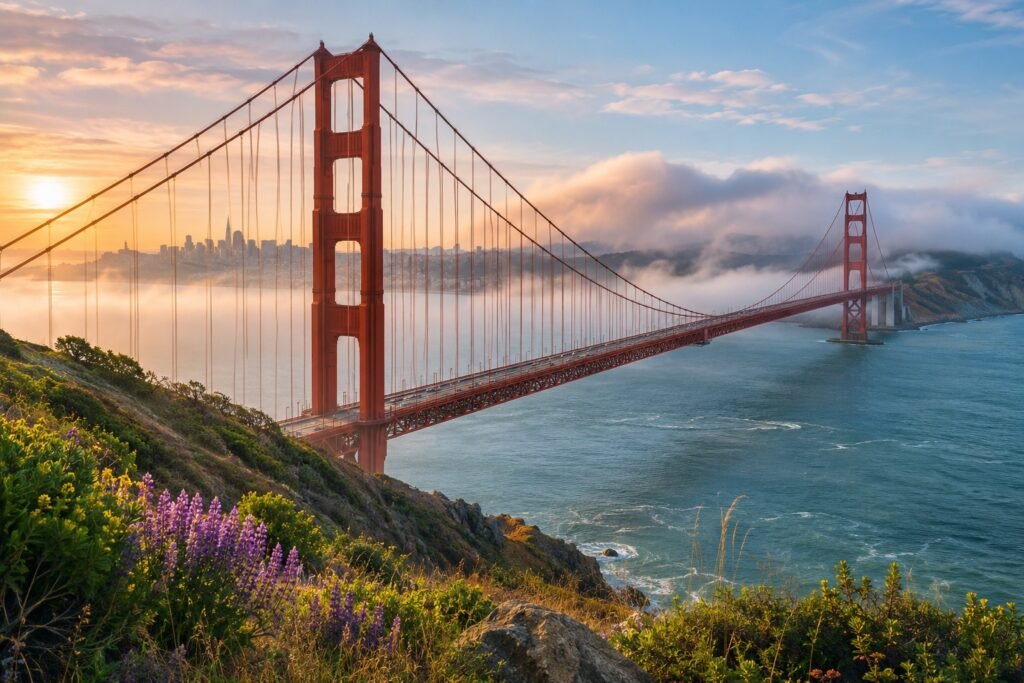
Three days in San Francisco works best as a collection of neighborhood experiences rather than a race between photo stops. The city rewards travelers who leave time for the waterfront, a long lunch, changing weather, and the view from the top of an unexpected hill. This itinerary gives each day a clear geographic focus. It also keeps a choice between major paid experiences, so you can match the trip to your interests instead of buying tickets simply because an attraction is famous.
Build the trip around your real priorities
Start by deciding whether Alcatraz is essential. If it is, check available departures before finalizing the rest of your schedule. The National Park Service explains that access to the island is through its contracted ferry operator, Alcatraz City Cruises, and suggests allowing at least a few hours for the visit. Use the official planning page to find the authorized booking route and accessibility information. [1]
Your next decision is how much time you want outdoors. A photography-focused traveler may prioritize the bay and bridge views; a food-focused visitor might prefer longer neighborhood stops. Families may want one museum or other substantial indoor experience. Limit yourself to one major reservation per day, with a second only when the locations and timings genuinely work together. That leaves space for delayed flights, fog, or simply finding somewhere you want to stay longer.
Day 1: the waterfront and North Beach
Begin with the Embarcadero and a waterfront stroll. A market stop or a coffee break gives you time to adjust to the city before committing to a longer walk. Continue toward the northern waterfront only as far as feels comfortable. You do not need to cover every pier to enjoy the bay. If you have an Alcatraz reservation, place it in this day’s schedule and organize lunch around the ferry departure and return.
North Beach makes a useful contrast later in the day: streets, cafés, and a neighborhood meal rather than another admission queue. Choose a restaurant based on the food and atmosphere you want, not a promise that one address represents the entire city. When planning on a map, remember that a short straight-line distance may include a steep climb. Leave room for a bus journey or a taxi if your group has had enough walking.
Day 2: Golden Gate views and a slower afternoon
Make the Golden Gate area the main focus of the morning. Decide whether you want a viewpoint, a waterfront walk, or a longer bridge outing; these are different experiences with different time and energy requirements. Dress for wind even when the day looks bright from your hotel. If cloud or fog changes the view, avoid spending the entire morning waiting for a photograph that may not materialize. The landscape can be atmospheric without a perfectly clear sky.
Keep the afternoon open for the Marina, another nearby neighborhood, or a return to the hotel before dinner. A common planning mistake is to add a distant museum simply because it looks close on a citywide map. Look at the actual transport connection and the time you want inside the attraction. A shorter afternoon with an enjoyable dinner is usually better than an expensive entry ticket used for a hurried final hour.
Day 3: Golden Gate Park or neighborhood discovery
Choose between a park-centered day and a neighborhood-centered day. Golden Gate Park can support an entire visit of its own, particularly if you add a museum or garden. Select the part that interests you and check its entrance and ticket arrangements. Do not treat the park as a quick stop on the way to several unrelated districts. Build in time to sit, have lunch, and enjoy the open space.
Alternatively, explore a pair of neighborhoods with a sensible connection, such as a food-focused visit followed by an afternoon of independent shops and cafés. The official San Francisco Travel guide is a useful starting point for comparing districts and attractions. Use it to choose areas that match your interests rather than trying to copy someone else’s definition of the city’s best neighborhood. [2] Finish near your hotel if you have an early departure the next morning.
Where to stay and whether to rent a car
Evaluate accommodation by the journey you will actually make each day. Check transport access, the final room price, room size, and recent information about the immediate surroundings. A hotel can be central on a map and still be inconvenient for your particular plans. Ask the property about luggage storage and late arrivals if those details matter. For families or travelers with mobility needs, confirm elevator access and the practical route from the closest stop.
For a city-only stay, compare public transport and occasional taxis against a rental car’s full cost. Parking, pickup, and luggage handling all add friction. If San Francisco starts a California road trip, collecting the car when you leave can simplify the city portion. The SFMTA provides official information covering Muni, walking, cycling, parking, taxis, and accessibility; use its trip planner to test specific journeys before deciding how you will travel. [3]
Budget for experiences rather than unnecessary transfers
Separate your spending into accommodation, meals, local transport, and admissions. Choose one or two paid experiences you really value and surround them with neighborhood walks and waterfront time. Check whether a ticket includes all the components you expect, particularly for tours sold through third parties. A low headline price is less useful if the departure point, entry category, or return arrangements do not suit you.
Pack in layers and keep a light outer layer accessible during the day. Download the information you need rather than relying entirely on a live connection. Leave valuables out of sight and avoid leaving bags in a parked vehicle. These are practical trip-management habits, not a reason to spend the visit worrying. A well-organized day should free your attention for the food, streets, and bay views that brought you here.
Frequently asked questions
Is San Francisco suitable for a car-free visit?
Many first-time city itineraries work well using walking, public transport, and occasional taxis. Check your hotel location and specific routes through SFMTA before booking, especially if hills or accessibility are a concern.
Should I add Yosemite as a day trip?
For this three-day city plan, we recommend giving Yosemite its own overnight itinerary. A separate park stay allows more time on the ground and avoids turning one of your city days into a long transport exercise.
What if the bridge is hidden by fog?
Keep your schedule flexible and try a different outdoor block if conditions improve. Do not sacrifice every other experience waiting for a clear view. San Francisco’s changing atmosphere is part of its character.
Sources & planning updates
- National Park Service: Alcatraz visit planning
- San Francisco Travel: Official visitor guide
- SFMTA: Getting around San Francisco
Sources reviewed November 3, 2026. Itineraries are editorial suggestions. Recheck official alerts, access rules, opening times, and booking conditions for your travel dates.