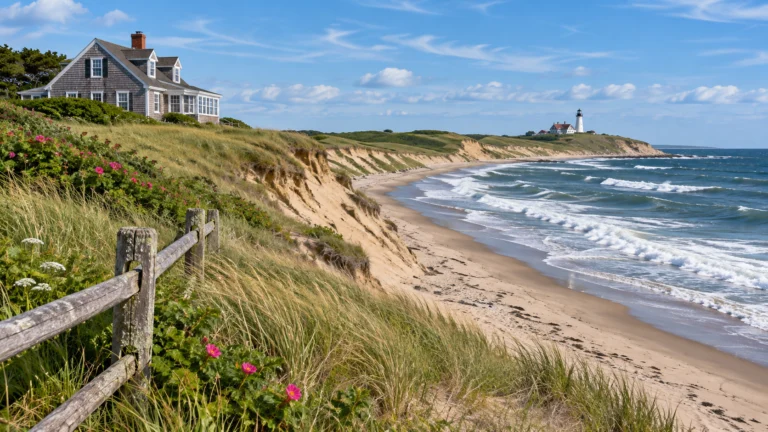

Choose the Maryland or Virginia side of Assateague Island before you decide where to stay. A day from the Maryland coast is well suited to a beach walk and a look at the bayside marshes. A day based in Chincoteague can combine the Virginia refuge landscape with time in town. Set the correct district in your navigation app and use the mainland approach that serves it.
Maryland for an ocean-and-bay day
Begin with the ocean if a beach walk is your priority. Take enough time to find an open parking area and choose a route with an easy return to the car. A shoreline walk, a picnic and a second stop on the bayside make a full itinerary without needing a long hike. Look at the official map before you arrive so you know which stops are near one another.
Maryland’s horses roam freely and may appear beside roads, in parking areas, or farther away in the marsh. Treat a sighting as a bonus. If you see horses from the car, continue until you can stop lawfully and safely. Bring binoculars and enjoy the view from a distance. Never feed or touch the animals, and keep food put away when you leave your picnic area.
Virginia for marsh scenery and Chincoteague
In Virginia, the ponies are managed in large fenced areas. Ask about viewing opportunities at the refuge rather than expecting to meet animals on a beach walk. The National Park Service identifies Beach Road and an observation platform on the Woodland Trail as places where visitors may see them. Check current access to any trail or parking area before making it the centerpiece of your day.
Start on the island while you have plenty of time. Look at the marsh from an available viewing point, then choose a walk or beach stop based on the weather. Leave time for a meal in Chincoteague. If the wind is too strong for a long walk, the town gives you a natural place to spend the remainder of the afternoon.
Make the beach and wildlife plans separate
Choose an itinerary that works even if you see no ponies. For a child who wants to see wildlife, bring a short list of other things to look for, such as shorebirds and tracks in the sand. Use binoculars to scan open habitat from established paths or overlooks. Leave the distance between you and any animal entirely in the animal’s favor if it moves toward you.
Pack separately for the ocean and the marsh. A wind layer can make an exposed shoreline much more comfortable, while insect protection may be useful around sheltered areas. Keep a change of shoes in the car, and choose a shorter route for anyone who would rather avoid a sandy or uneven surface.
A two-day option for travelers who want both districts
If you have a weekend and want to compare Maryland and Virginia, schedule the districts on different days. Compare the mainland driving route between your lodging and each entrance before booking. Put your longer beach walk on the better weather day and use the other for marsh views and time in town. By keeping each day in one district, you have a better chance of being on the island when the light or wildlife viewing is good.
Plan the details before you leave
Check the official park notices the evening before your visit and once more before you drive out. Write down the name of the parking area, the route you plan to take to it and where you will go if it is full or closed. If you want a longer walk, give yourself a clear turnaround and check when the access area closes. Think through the return to the car as well as the walk out. That matters most when you have gear to carry, limited daylight or a group with different walking speeds.
Set aside the first part of the day for the activity that matters most to you. If you are interested mainly in the shore, choose a beach walk and leave the afternoon free. If a long lunch or time in town is part of the trip, decide where that fits before adding another stop. When everyone has a different priority, agree on one activity to do together and one that can be optional.
Frequently asked questions
Will I see horses at either beach?
A sighting depends on where the animals are and where visitors can go that day. In Maryland, look from legal stopping places and give the roaming horses space. In Virginia, check the refuge’s viewing areas and bring binoculars.
What should I bring for a short visit?
Bring water, a layer for the wind and shoes suited to your route. Keep a map available offline and put the parking location in your notes. Take the gear you need for your first outing, then use the car as a place to regroup before deciding what to do next.
How should I handle a change in conditions?
Check whether the change affects the whole area or just the activity you planned. A closed access point calls for a different stop. A cold or windy afternoon may simply call for a shorter walk. If your main option is unavailable, use the nearby town or an officially open alternative instead of trying an unfamiliar access route.
Plan the rest of your trip
Official planning sources
- National Park Service visitor information
- National Park Service site details and access information
Pick an Assateague side before booking your stay
Decision How to plan it Maryland-side day Choose a Maryland approach and map the exact park unit and beach entrance you intend to use. Check fees for that unit. Virginia-side day Plan the approach through Chincoteague and check the applicable beach and refuge access for your date. Considering both sides Map them as separate drives. For one day, use a single side so you have time for a beach stop and a second activity.