
DESTINATION GUIDE · CITY GUIDES
3 Days in Washington, DC: Museums, Memorials and Neighborhoods
Travel in the USA Editorial · Reviewed November 3, 2026 · 1078 words
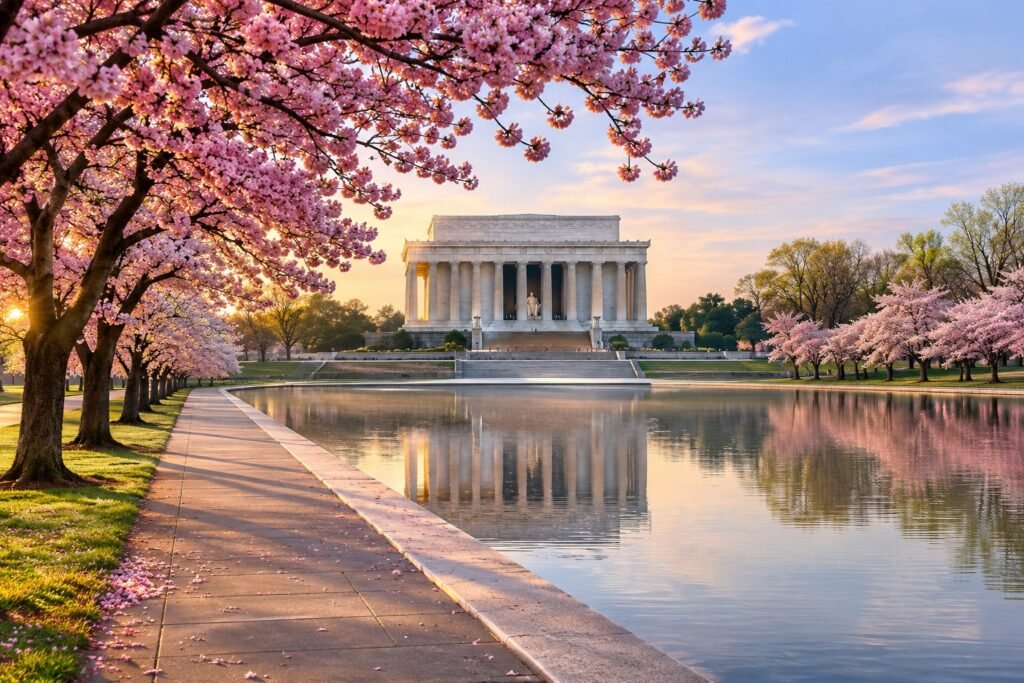
Washington, DC rewards a focused itinerary. Its museums and memorials are substantial experiences, and a map can make the distances between them look deceptively easy. Three days works well when you combine one main cultural visit each day with outdoor time and a neighborhood meal. This guide is an editorial framework for first-time visitors who want context and breathing room, rather than a competition to enter the largest possible number of buildings.
Plan by interest before planning by attraction count
Choose your two or three strongest interests: American history, art, aviation, natural history, architecture, or the memorial landscape. Then identify the institutions that best match them. A great museum does not become the right choice simply because it is famous. For a mixed-interest group, agree on one shared priority per day and leave optional time for people to separate briefly or take a break.
Check the admission arrangements for each institution individually. Free admission does not automatically mean that no timed pass, security screening, or advance planning is involved. Use the museum’s own visitor page for current entry requirements and opening information. Avoid building a day from an old list of opening hours, especially if your dates include a holiday or a major public event. A flexible second choice is useful; a second nonrefundable ticket may not be.
Day 1: understand the National Mall landscape
Start with a manageable section of the National Mall and memorial area. The National Park Service describes the Mall as a large civic landscape and provides official maps and transport information. It notes that the park is open around the clock while facilities and individual attractions have their own schedules. [1] For a first visit, use the map to choose a coherent route rather than expecting to walk every memorial in one session.
Allow time to read, sit, and reflect. Memorials are more meaningful when you give them attention instead of treating them only as backdrops. Plan a proper lunch break and consider how heat, cold, or rain will affect the walk. Keep the afternoon light enough to adapt. An evening return to part of the memorial area can be worthwhile if the group still has energy and the practical journey back to the hotel is straightforward.
Day 2: one major museum, then a change of scene
Give the morning to a museum you genuinely want to explore. Set a realistic goal inside: a handful of galleries or a particular collection rather than every room. Check the floor plan beforehand and identify a natural place to pause. For families, agree on a meeting point and a shorter core visit, with extra galleries as an option. A museum day should include time to absorb what you see.
The Smithsonian National Museum of Natural History’s official visitor information confirms free admission, making it one possible anchor for a budget-conscious itinerary. [2] The decision should still depend on your interests and the current arrangements. After the visit, change the rhythm with a neighborhood meal, a short walk, or time back at the hotel. Do not immediately add another large museum simply because the entrance price makes it tempting.
Day 3: art, a favorite subject, or a neighborhood morning
Use the final day to add a different perspective. Art enthusiasts can investigate the National Gallery of Art, whose official visitor page confirms that admission is free. [3] Choose the parts that match your interests and allow time for a pause. If art is not a priority, select another museum or cultural experience after checking its own current booking requirements. There is no obligation to follow a generic list of must-sees.
Keep the other half of the day for a neighborhood you have not explored or for the experience you most enjoyed earlier. A slower meal, a bookshop, or a short waterside outing can balance the more formal sightseeing. If this is departure day, prioritize the route to your luggage and onward transport. A relaxed final block is more practical than trying to finish a distant attraction minutes before you need to leave.
Choose accommodation around your daily journeys
Compare hotels by transit connections, room suitability, and the actual location of your planned activities. Being able to walk to one attraction is useful, but it may not compensate for awkward journeys on the other two days. Check the complete room price and cancellation terms. If traveling with children, confirm bed arrangements and breakfast options rather than assuming a standard room will fit the group comfortably.
Travelers arriving by train should consider luggage handling and the transfer to the hotel. Those flying should treat the airport journey separately and check the correct airport, not merely a generic Washington arrival label. If combining DC with New York, compare the total door-to-door journey rather than only the advertised time in transit. Choose the option that leaves you rested enough to enjoy the next day.
Make free attractions work for your budget
Free cultural visits can help balance accommodation and dining costs, but a low-admission itinerary still needs a realistic daily budget. Account for local transport, meals, drinks, and any separately ticketed experiences. Pick one or two paid additions only when they add something you actually value. A guided visit may be worthwhile for interpretation or logistics, but compare its content and meeting arrangements with your own priorities.
Carry comfortable shoes and plan breaks before the group becomes exhausted. In warm weather, make indoor and outdoor blocks work together rather than placing the longest walk in the least comfortable part of the day. In colder or wetter weather, reduce exposed waiting time. Check current public-event and institution notices close to travel. The purpose of preparation is to make the visit enjoyable, not to create a rigid schedule that falls apart after one delay.
Frequently asked questions
Is Washington, DC a good value city break?
It can be, particularly when your interests align with free museums and memorial visits. Accommodation, dining, and transport still need budgeting, so compare the complete trip rather than admission prices alone.
Can I visit several Smithsonian museums in one day?
You can enter more than one, but a first visit is often better with one substantial museum and a lighter second activity. Choose depth over a long list of brief entrances.
Do I need a rental car?
For a central museum-and-memorial itinerary, compare transit and occasional taxis before booking one. Hotel parking and city driving can add cost and complexity. Decide using your actual accommodation and daily routes.
Sources & planning updates
- NPS: National Mall visit planning
- Smithsonian National Museum of Natural History: Visit
- National Gallery of Art: Plan your visit
Sources reviewed November 3, 2026. Itineraries are editorial suggestions. Recheck official alerts, access rules, opening times, and booking conditions for your travel dates.